Geometry Dash & Geometry Dash Lite — Overview Wiki
Editorial Notice: This article is published by the editorial team at geometrylite.github.io. This website is an independent, non-profit fan-made wiki database and is not affiliated with, endorsed by, or representative of RobTop Games or Robert Topala.
Quick Facts
Attribute | Details |
Developer / Publisher | RobTop Games (Robert Topala) — Sweden |
Initial Release Date | August 13, 2013 |
Genre | Rhythm-based platformer |
Supported Platforms | iOS, Android, Steam (Full Version) |
Document Purpose | Wiki Reference & Development History Archive |
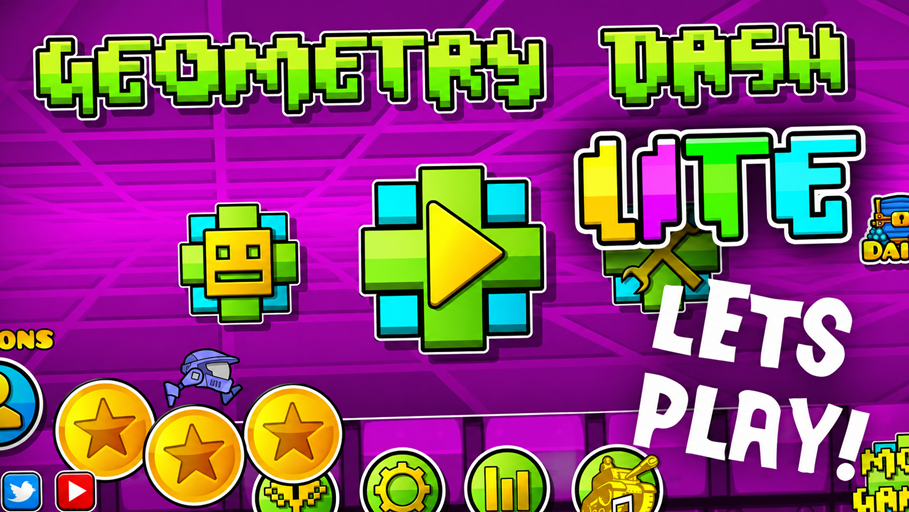
Geometry Dash is a widely recognized rhythm-based platformer franchise developed and published by the independent Swedish studio RobTop Games, founded by Robert Topala. In addition to the commercial paid release, Geometry Dash Lite serves as a free, ad-supported entry point to the series.
This fan-made wiki hub serves as a central reference database for players and researchers seeking objective information regarding the franchise's lore, architectural differences between versions, full release history, and incremental update logs.
What is Geometry Dash?
Geometry Dash is defined by its precise, rhythm-synchronized platforming gameplay mechanics. Unlike traditional platformers, player movement and obstacle navigation in Geometry Dash are tightly coupled with rhythmic background music, requiring exact timing and memorization to overcome environmental hazards.
Official Geometry Dash Trailer
Key structural characteristics of the game include:
- Genre and Core Mechanics: A rhythm-based platformer where players control a customizable icon (initially a cube) navigating through a continuous obstacle course filled with spikes, sawblades, and pads. The movement is strictly synced to electronic background soundtracks.
- Developer: RobTop Games, an independent video game development company based in Sweden, headed by sole primary developer Robert Topala.
- Supported Platforms: The full commercial release of the game is accessible across mobile operating systems (iOS and Android) as well as PC via Steam.
How Does Geometry Dash Lite Differ from the Full Version?
Geometry Dash Lite functions as a free, ad-supported edition designed to offer players a representative sample of the full game's core mechanics. While both versions share identical movement physics and core engine code, Lite imposes several explicit content limitations:
Feature Restrictions
No Level Editor: Geometry Dash Lite does not contain the built-in Level Editor, preventing players from creating, testing, or publishing custom levels.
- Restricted Community Searching: Players in Lite cannot freely search through the complete online user-level database. Access to online content is restricted strictly to designated curated systems, including the Daily Level, Weekly Demon, and selective Gauntlets.
- Customization Limits: Icon customization and achievement unlock pathways are scaled down in comparison to the full game.
Current Official Level Count
As of Update 2.21.7 (released on January 30, 2026), Geometry Dash Lite features a significantly expanded selection of official content:
- 21 Main Official Levels
- 4 Platformer Mode Levels located inside "The Tower"
- 1 Secret Level ("The Challenge")
This brings the total official stage count in Lite far beyond the historically advertised "19 levels" metric that commonly persists in promotional materials, marking a key milestone in the wiki's content updates.
Origins and Launch History
The Geometry Dash franchise officially debuted on August 13, 2013, when Robert Topala published the original title for Android and iOS devices. The initial 1.0 release was modest in scope, featuring seven core official stages:
- Stereo Madness
- Back on Track
- Polargeist
- Dry Out
- Base After Base
- Can't Let Go
- Jumper
Geometry Dash Lite was introduced during this same early launch window as a free demo and promotional utility. It allowed players to experience the early main levels without upfront purchase, introducing the rhythm platforming concept to a broader audience while serving as a gateway to the full commercial game.
Development Timeline (Version History)
The main Geometry Dash client has evolved across several major version milestones since its 2013 release. The table below details the release dates and major additions of each core version:
Version | Release Date | Key Features & Changes |
1.0 | August 13, 2013 | Initial launch featuring the original 7 main official levels. |
1.1 | September 2013 | Introduction of new mechanics, additional levels, and the Mirror Portal. |
2.0 | August 26, 2015 | Major update introducing new game modes and icon vehicle types (Cube, Ship, Ball, UFO, Wave). |
2.1 | January 16, 2017 | Expanded mechanics, quest system introduction, and enhanced build mode creation tools. |
2.2 | December 19, 2023 | Released after a nearly 7-year wait: introduced official level "Dash", Swing game mode, Platformer Mode, and 700+ new icons. |
Version Synchronization Mechanics
An important structural aspect of the franchise is that Geometry Dash Lite consistently receives updates on a delayed timeline compared to the full paid version. Major mechanical shifts introduced in Update 2.2 of the full game (released in late 2023) were incrementally ported over to Lite across a series of sub-updates ranging from Version 2.21 through Version 2.21.7 between 2022 and January 2026.
Geometry Dash Lite — Notable Update Log
Below is a historical record summarizing key incremental milestone updates made to Geometry Dash Lite as it gradually integrated features from the main game:
- Version 2.21 (May 2022): Added official main level Electrodynamix and introduced the game's first Demon-difficulty stage, Clubstep.
- Version 2.21.4 (April 2024): Integrated official level Blast Processing and unlocked "The Tower" area, introducing 4 Platformer mode levels.
- Version 2.21.5 – 2.21.6 (November – December 2024): Added official stage Geometrical Dominator and Demon level Theory of Everything 2. Implemented core economy and feature systems, including Mana Orbs, the Shop, Daily Levels, Weekly Demons, and Event Levels.
- Version 2.21.7 (January 30, 2026): Added main official level Fingerdash and Demon stage Deadlocked. Activated leaderboard tracking for Moons, Demons, and User Coins, and unlocked Gauntlet access.
Why Geometry Dash Endures
Despite launching in 2013, Geometry Dash maintains a highly active player base and continuous global interest. This long-term sustainability relies on three key structural pillars:
- Extensive User-Generated Content: The full game's robust Level Editor has enabled community creators to publish millions of custom stages, ensuring an endless supply of new content.
- Competitive Hierarchy: A dedicated community culture built around difficulty ranking systems—such as the Demonlist and Extreme Demon classifications—drives high-level competitive playing and streaming content.
- Electronic Music Integration: The game's strong connection to electronic dance music (EDM) culture creates a unique synergy between musical artists and level creators, making audio-visual rhythm synchronization a defining element of the title.
Explore More on This Wiki
Use the following internal links to navigate deeper technical documentation and archives across this wiki:
- Guidelines: Detailed gameplay rules, mechanics breakdowns, and input controls manual.
- User Levels List: Catalog and showcase of notable community-created levels and featured stages.
- About Us: Overview of our wiki editorial team, project mission, and independent documentation policies.